

Roof Replacement
Old Roofing Removed and Built Back Correctly
Roof Replacement in Ridgeland for homes and businesses where repair scope exceeds what the existing system can structurally support
Widespread granule loss, multiple active leak points, and shingles that have hardened and lost flexibility are the visible signs that a roof has reached the end of its functional life. At that point, adding repairs to an already compromised system extends the problem without solving it—each patched section places additional load on surrounding material that is equally degraded. A-1 Roofing & Guttering performs complete roof replacements in Ridgeland, removing the existing system down to the decking, assessing what lies beneath, and installing a new roofing system built to current standards.
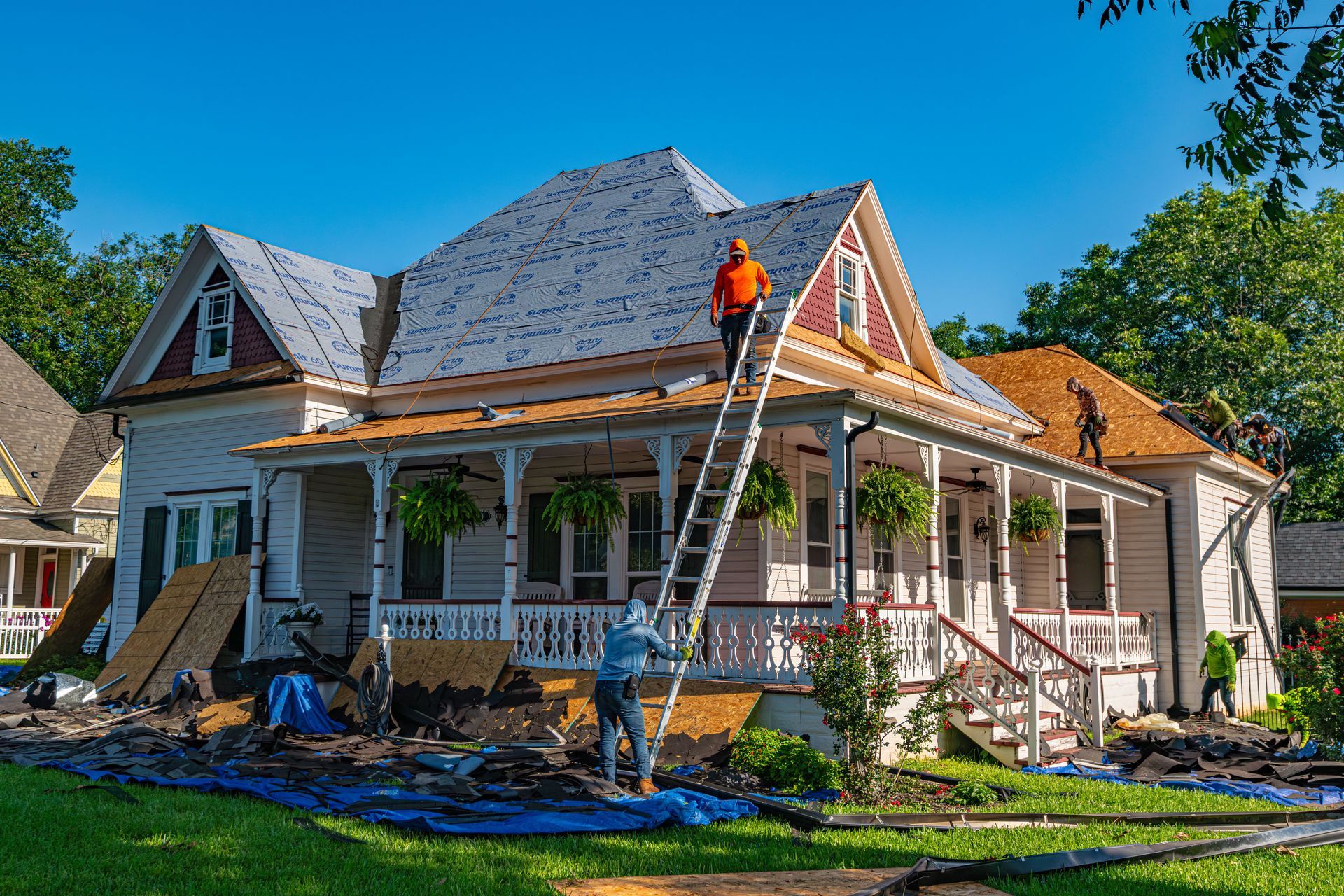
The replacement process begins with full tear-off rather than overlaying new shingles over existing ones. Installing new material over old shingles traps moisture between layers, adds weight to the decking, and prevents inspection of the underlayment and decking condition—all of which shortens the lifespan of the new roof. Once the old material is removed, decking boards are evaluated individually. Any that show soft spots, rot, or delamination are replaced before new underlayment is rolled and new shingles are installed. In Mississippi's climate, where summer heat accelerates asphalt degradation and high humidity affects decking longevity, this inspection step is not optional.
Arrange a property walkthrough to evaluate current roof condition and discuss replacement specifications suited to your structure..
What Proper Roof Replacement Requires
A replacement that holds up long-term depends on more than shingle selection. Proper installation requires correctly lapped underlayment with no gaps at seams, flashing replaced at every penetration and transition point, drip edge installed along eaves and rakes to direct water away from the fascia, and ridge caps fastened to the appropriate nailing pattern for wind resistance. Each of these steps affects how the roof performs under the wind speeds and rainfall intensity that Ridgeland and surrounding areas regularly see during storm season.
After A-1 Roofing & Guttering completes a replacement, the observable changes are immediate and measurable. Attic temperature during summer months tends to stabilize more effectively when new ridge and soffit ventilation is correctly balanced during installation. Interior ceilings show no new moisture activity following rain, and the roofline has a consistent, uniform appearance without the waviness or low spots that develop in aging systems where decking has weakened beneath the surface.
Replacement scope and material selection both affect the total project. Shingle weight, impact resistance rating, and color all vary by product line, and the pitch of the roof determines how certain materials are applied. Steeper pitches require different fastening patterns than low-slope sections, and any penetrations—skylights, vents, chimneys—require individual flashing approaches that are planned before installation begins rather than addressed as afterthoughts..
What Property Owners Usually Ask
Roof replacement involves decisions about materials, timing, and what the process includes that homeowners benefit from understanding before work begins.
- Why is tear-off preferable to installing over existing shingles? Laying new shingles over old ones prevents inspection of the decking beneath, traps moisture between layers, and adds weight that exceeds the load most residential roof structures are designed to carry—problems that compound over the life of the new roof rather than appearing immediately.
- How does the local climate in Mississippi affect shingle selection? Extended UV exposure and high summer temperatures cause asphalt shingles to oxidize more quickly than in cooler climates, making shingle weight and granule density relevant factors when evaluating product options rather than cosmetic considerations alone.
- What decking conditions require replacement during a roof installation? Boards that probe soft, show visible rot or delamination, or have sagged between rafters cannot support the new roofing system properly and must be replaced before underlayment is installed—skipping this step causes the new shingles to conform to an uneven surface and shortens their service life.
- When is the best time of year to schedule a replacement? Roofing adhesives and sealants perform best when applied within a moderate temperature range, but replacements can proceed year-round—scheduling before peak storm season reduces the risk of an already-compromised roof sustaining additional damage during the delay.
- What is included in a full replacement versus a partial one? A full replacement covers the entire roof surface with new underlayment, shingles, flashing, and ridge caps; a partial replacement addresses a defined section and may create mismatched material age across the roof, which affects long-term maintenance planning.
A-1 Roofing & Guttering provides detailed written estimates that outline material specifications, scope of work, and decking assessment findings so you understand exactly what the replacement includes before a decision is made. Contact the office to schedule your property evaluation.