

Commercial Roofing
Roofing Systems Built for Commercial Load Demands
Commercial Roofing in Ridgeland for businesses and commercial properties where low-slope systems, large surface areas, and operational continuity require a specialized approach
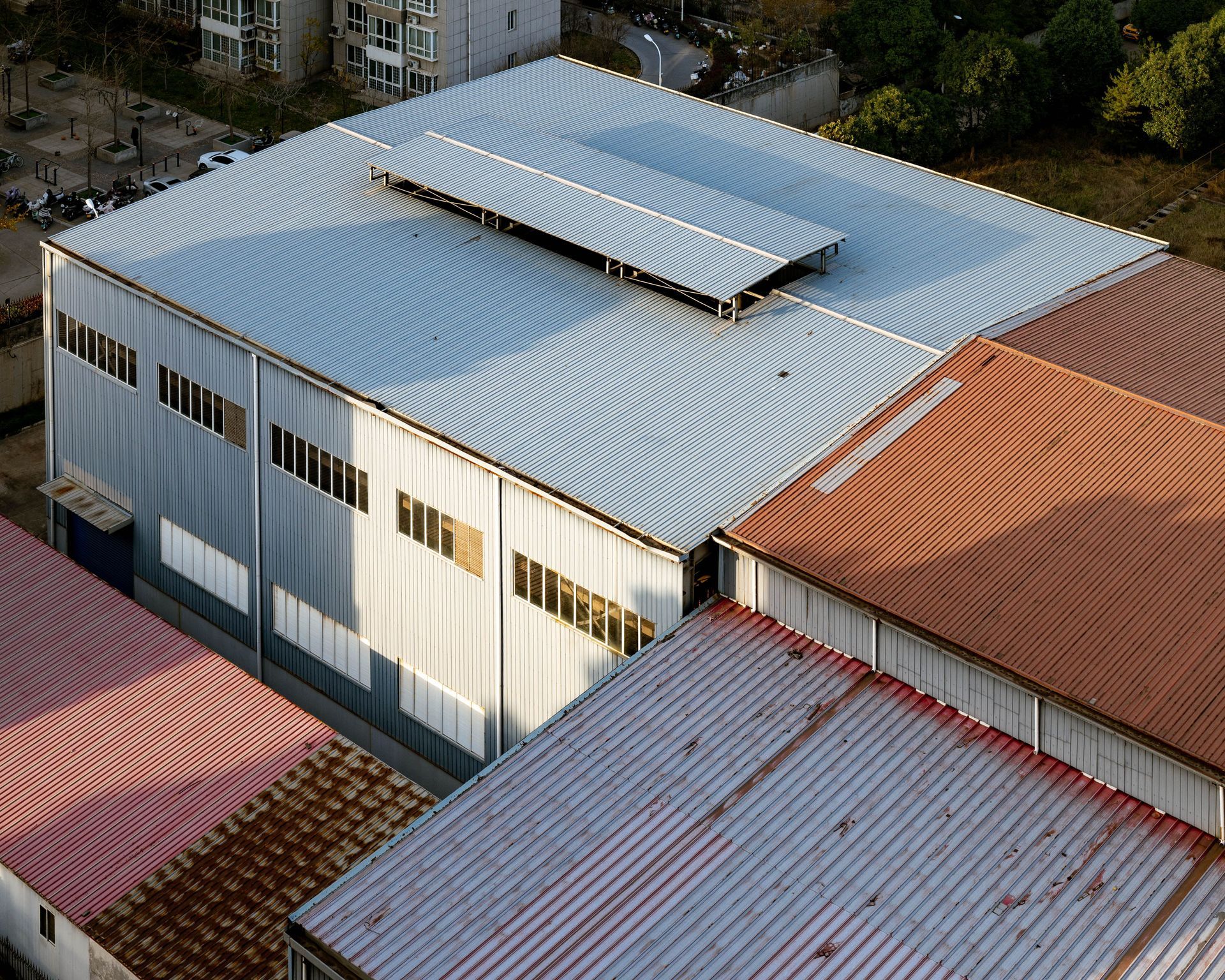
Commercial roofing diverges from residential work at almost every technical level. Flat and low-slope roofs common on commercial structures do not shed water the way pitched roofs do—water pools, sits, and finds penetrations through seams, membrane joints, and equipment curbs rather than running off quickly. The materials, fastening methods, and inspection protocols required for a warehouse, retail strip, or office building reflect these different drainage conditions. A-1 Roofing & Guttering handles commercial roofing in Ridgeland for property owners and facility managers who need solutions suited to the actual conditions of a commercial roof surface.
Low-slope commercial roofing typically uses membrane systems—TPO, EPDM, or modified bitumen—rather than shingles. Each membrane type has a different welding or adhesion method, seam configuration, and maintenance profile. TPO membranes are heat-welded at seams, which produces a bond stronger than the membrane itself when done correctly; EPDM relies on adhesive bonding or mechanically fastened laps that must be inspected periodically for adhesion failure. The choice between systems depends on the roof slope, the building's HVAC load on the roof surface, the presence of foot traffic for maintenance access, and the local temperature range—all factors that affect long-term membrane performance in Mississippi's climate.
Schedule a commercial roof evaluation to review membrane condition, drainage performance, and penetration integrity before issues affect building operations..
What Commercial Roofing Actually Accomplishes
Commercial roofing work—whether new installation, replacement, or repair—addresses the specific failure patterns that low-slope systems develop over time. Seam separation is the most common failure point on membrane roofs and often begins at penetrations for HVAC curbs, drains, and conduit runs where the membrane must terminate against a different material. Proper installation at these transitions requires flashing details that are integrated into the membrane system, not applied over it after the fact.
After A-1 Roofing & Guttering completes commercial roofing work, the measurable changes include properly draining roof surfaces without standing water remaining more than forty-eight hours after rainfall, sealed seams that lie flat without lifting at the edges, and penetrations where flashing sits tight against the membrane without visible gaps. Facility managers notice these outcomes during the next inspection cycle and during the first significant rain event following completion.
Commercial projects also involve coordination considerations that residential work does not. Roofing over an occupied building requires phased work schedules, temporary protection for open sections, and material staging that does not block emergency exits or loading areas. Project scope documentation matters as well—commercial clients benefit from a clear written record of materials installed, membrane thickness, and warranty documentation from the manufacturer, which affects future maintenance planning and property transactions.
Answers to Frequent Service Questions
Commercial roofing decisions involve material selection, maintenance planning, and coordination with ongoing business operations—these questions address what facility managers and property owners typically need to understand before committing to a project.
- What membrane type performs best on commercial roofs in Mississippi's climate? TPO membranes reflect UV radiation more effectively than dark-colored EPDM, which reduces surface temperature during summer and can lower cooling loads on the building—however, EPDM typically offers better low-temperature flexibility, making the building's climate control demands and roof configuration relevant factors in the selection decision.
- How are commercial roof drains inspected and maintained as part of roofing work? Roof drains on low-slope systems are primary failure points because debris accumulation causes water to pond and hold against membrane seams—inspection includes confirming drain strainers are present, checking that drain bodies are sealed to the membrane, and verifying that the surrounding membrane slopes toward the drain rather than away from it.
- Why do penetrations fail more often than open membrane sections on commercial roofs? Equipment curbs, conduit runs, and pipe penetrations require the membrane to terminate against a vertical surface, which involves a different flashing approach than a flat field seam—these transitions experience more movement from thermal cycling and equipment vibration, which stresses the sealant and flashing bond over time.
- When should a commercial roof be replaced versus repaired? Repairs are appropriate when membrane damage is localized and the surrounding material retains adequate thickness and adhesion; widespread seam failure, multiple active leak points, or saturated insulation beneath the membrane indicate that repair costs will exceed replacement value within a short time.
- What documentation should a commercial roofing project produce? A completed commercial project should include material specifications, membrane thickness records, photographic documentation of penetration flashing details, and any manufacturer warranty paperwork tied to the installation—this documentation supports maintenance scheduling and is typically required during property due diligence reviews.
A-1 Roofing & Guttering provides written project documentation and works around operational schedules to minimize disruption during commercial roofing projects. Send your property details to begin a scope review and receive a project estimate tailored to your building's specifications.