

Metal Roofing
Roofs Built for Decades of Weather
Metal Roofing in Clinton for homes losing protection to aging shingles, storm damage, or persistent leaks
A-1 Roofing & Guttering installs metal roofing systems in Clinton for homeowners who need a long-term solution that holds up against the region's heat cycles, heavy rainfall, and severe storm seasons. Asphalt shingles in this climate typically degrade faster than their rated lifespan because of the combination of summer UV exposure and repeated wet-dry cycles that cause granule loss and cracking. Metal roofing bypasses that failure pattern entirely by using interlocking panels or standing seam profiles that don't absorb moisture or shed surface material over time.
The installation process begins with an assessment of the existing roof deck to identify any sheathing damage, ventilation deficiencies, or structural concerns that would affect how the metal system performs. Panel selection matters here—thicker gauge steel or aluminum handles impact from hail and wind-driven debris better than lighter-grade options, and the fastening method (concealed versus exposed fasteners) affects both longevity and water resistance at penetration points. Proper underlayment selection is also critical in humid climates, where moisture trapped between the panel and deck accelerates corrosion from underneath rather than above.
Request a roof assessment to review your current system's condition and identify the right metal panel profile for your home's structure and slope.
What Proper Metal Roofing Requires
Metal roofing performs differently depending on how it's detailed at the edges, ridges, and penetrations—areas where water infiltration most commonly occurs on poorly installed systems. Flashing at chimney bases, pipe boots, and wall transitions must be fabricated to match the specific panel profile being used, not adapted from generic sheet metal components that leave gaps under thermal movement. Because metal expands and contracts with temperature, fastening systems that don't account for this movement can cause panel distortion, fastener backing out, or sealant failure within a few years of installation.
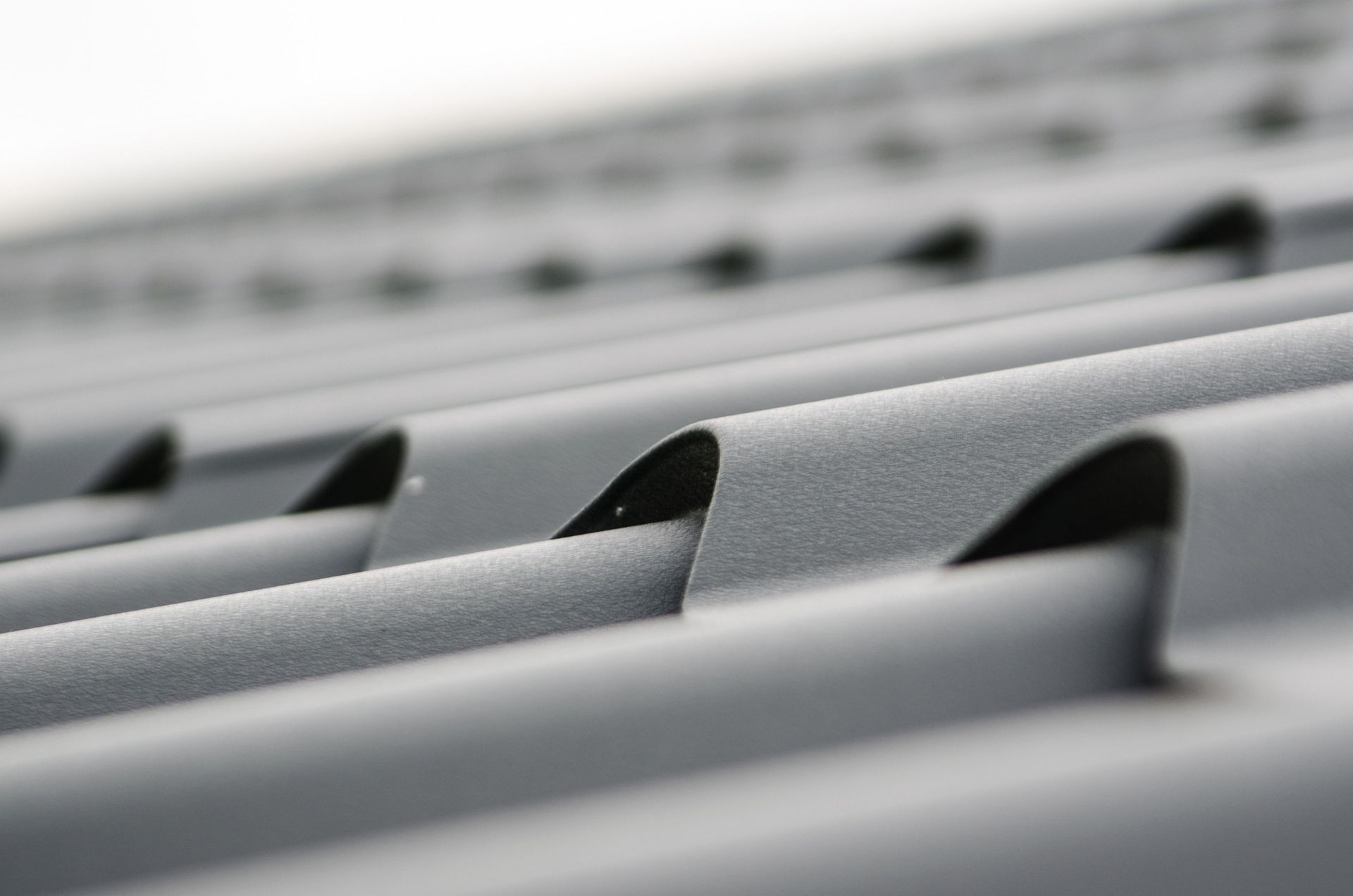
After installation, the visible change is immediate—the roof sits flat and uniform with no lifted edges, curling sections, or exposed nail heads. Over time, what homeowners notice is the absence of the maintenance cycle that comes with shingle systems: no granules in the gutters, no shingles to replace after each storm season, and no dark staining patterns that indicate algae growth on degraded surfaces. Energy performance also shifts, particularly with lighter-colored panels that reflect radiant heat rather than absorbing it through the attic ceiling.
Metal roofing projects vary in complexity based on existing roof pitch, the number of penetrations and valleys, and whether the old roofing material is removed before installation or overlaid. Each of these factors affects the approach, the underlayment specification, and the total scope of work—which is why a detailed site review is a necessary first step rather than an optional one.
Common Questions About Metal Roofing
Homeowners considering metal roofing often have questions about how the material performs under local weather conditions and what the installation process actually involves.
What gauge of metal is recommended for residential roofing in this region?
For most residential applications in Clinton, 26-gauge steel strikes a practical balance between impact resistance and weight, though 24-gauge is worth considering on homes in areas with documented hail exposure due to its measurably higher dent resistance.
How does metal roofing handle the heavy rainfall common in central Mississippi?
Standing seam profiles with concealed fasteners outperform exposed-fastener panels in high-rainfall conditions because there are no sealant-dependent penetrations along the panel surface where water can track inward over time.
When is overlaying metal over existing shingles a viable option?
Overlaying is an option when the existing deck is structurally sound and flat, but it eliminates the opportunity to inspect sheathing for rot or delamination—conditions that are common on older roofs and that will compromise the new system from below if left unaddressed.
Why does metal roofing cost more upfront than asphalt shingles?
The material itself is more expensive, the installation requires more precise fabrication at transitions and edges, and the panel systems are engineered to significantly outlast entry-level shingle products, which shifts the cost comparison when viewed over a 30-to-40-year horizon.
What maintenance does a metal roof actually require after installation?
Metal roofing requires periodic inspection of sealants at penetrations, clearance of debris from valleys where organic material can hold moisture against the panel, and checking that fasteners on exposed-fastener systems haven't backed out—all of which are far less frequent than shingle replacement cycles.
A-1 Roofing & Guttering can walk through your specific roof configuration, slope, and existing condition to determine which metal system makes the most sense for your property—schedule a site visit to start that evaluation.